Strength / BUYING GUIDE

Weight plates

Plate diameter and thickness affect a gym as much as the number printed on the side. A thick bumper can fill a sleeve early. A small-diameter iron plate changes the starting height of a floor lift. Plan the combination rather than buying by total pounds alone.

RESEARCHED STARTING POINTS

Three options to compare.

See all 5 options

Compare the differences below against your needs. These are research-based selections, not claims of hands-on testing.

We may earn a commission from qualifying purchases, at no extra cost to you. How this works.

OPTION 01
REP Black Bumper Plates, 45 lb option
Weight plates

REP Black Bumper Plates, 45 lb option

A straightforward bumper option for lifters who need a consistent plate family and readable markings. The manufacturer provides an explicit weight tolerance and insert construction, which are useful comparison details beyond appearance.

Plate family: Black rubber bumper plates

Plate fit: Olympic 2 in barbells

Check price on Amazon Specs & buying checks
OPTION 02
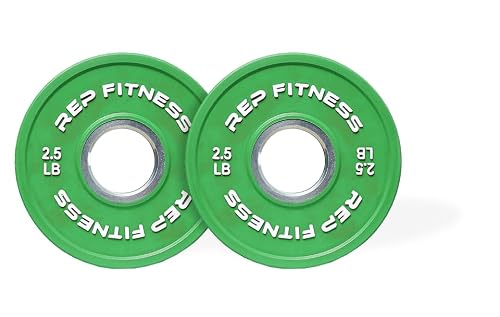
REP Change Plates, 2.5 lb
Weight plates

REP Change Plates, 2.5 lb

A 2.5 lb plate on each side makes a 5 lb total increase, helping bridge larger plate jumps. The green denomination color distinguishes this pound version from other change plates in a mixed collection.

Selected denomination: 2.5 lb

Selected denomination color: Green

Check price on Amazon Specs & buying checks

We may earn a commission from qualifying purchases, at no extra cost to you. How this works.

MAKE AN INFORMED CHOICE

Weight plates: the buying questions.

Weight plates

Bumper Plates vs Iron Plates: Plan the Load, Starting Height and Landing

Choose plates using real diameter and thickness examples, a complete starter-set calculation, loading increments and manufacturer-approved handling.

Read the guide
Weight plates

Will These Weight Plates Fit Your Bar? Check the Bore, Sleeve, and Tolerance

Avoid plate-fit mistakes by comparing one-inch, Olympic, and specialty sleeve dimensions before buying.

Read the guide
Weight plates

Weight Plate Thickness: Calculate What Fits on Your Barbell Sleeves

Use actual plate widths and collar space to compare bumper, iron, and compact-bar loading combinations.

Read the guide
Weight plates

How Many Weight Plates Do You Need? Build a Set Around Real Loads

Plan a useful plate inventory with matched pairs, sensible increments, working-load examples, and room for progression.

Read the guide
Weight plates

Change Plates and Fractional Loading: Choose Useful Small Increments

Understand plate-pair arithmetic, fractional sizes, tolerance, collar placement, and when small loading steps help.

Read the guide
Weight plates

Mixing Weight Plate Diameters: What Changes During Floor Lifts?

Understand bar height, load contact, plate mixing, and why equal mass does not mean equal outside diameter.

Read the guide
Weight plates

Competition vs Training Bumper Plates: Is the Premium Useful to You?

Compare bumper accuracy, approval, diameter, hubs, thickness, and ownership needs without treating competition labels as automatic value.

Read the guide
Weight plates

Grip Plates and Coatings: Easier Handling Without Assuming Drop Capability

Compare hand openings, rims, urethane, rubber, and cast-iron plates for practical loading and everyday care.

Read the guide
Weight plates

Buying Used Weight Plates: Check Condition, Fit, and Missing Pairs

Inspect used bumper, iron, and coated plates for compatibility, hub damage, inconsistent dimensions, and incomplete sets.

Read the guide
Weight plates

Weight Plate Storage Compatibility: Post Diameter, Spacing, and Usable Length

Check whether your actual plates fit storage posts, tier spacing, retaining features, and supported load limits.

Read the guide
PUT IT INTO YOUR PLAN

Setup & shopping list

Choose equipment, add your budget and download your list.

Plan the rest of your setup.