HOME GYM EQUIPMENT BUYING GUIDEChoose the setup you will actually use.
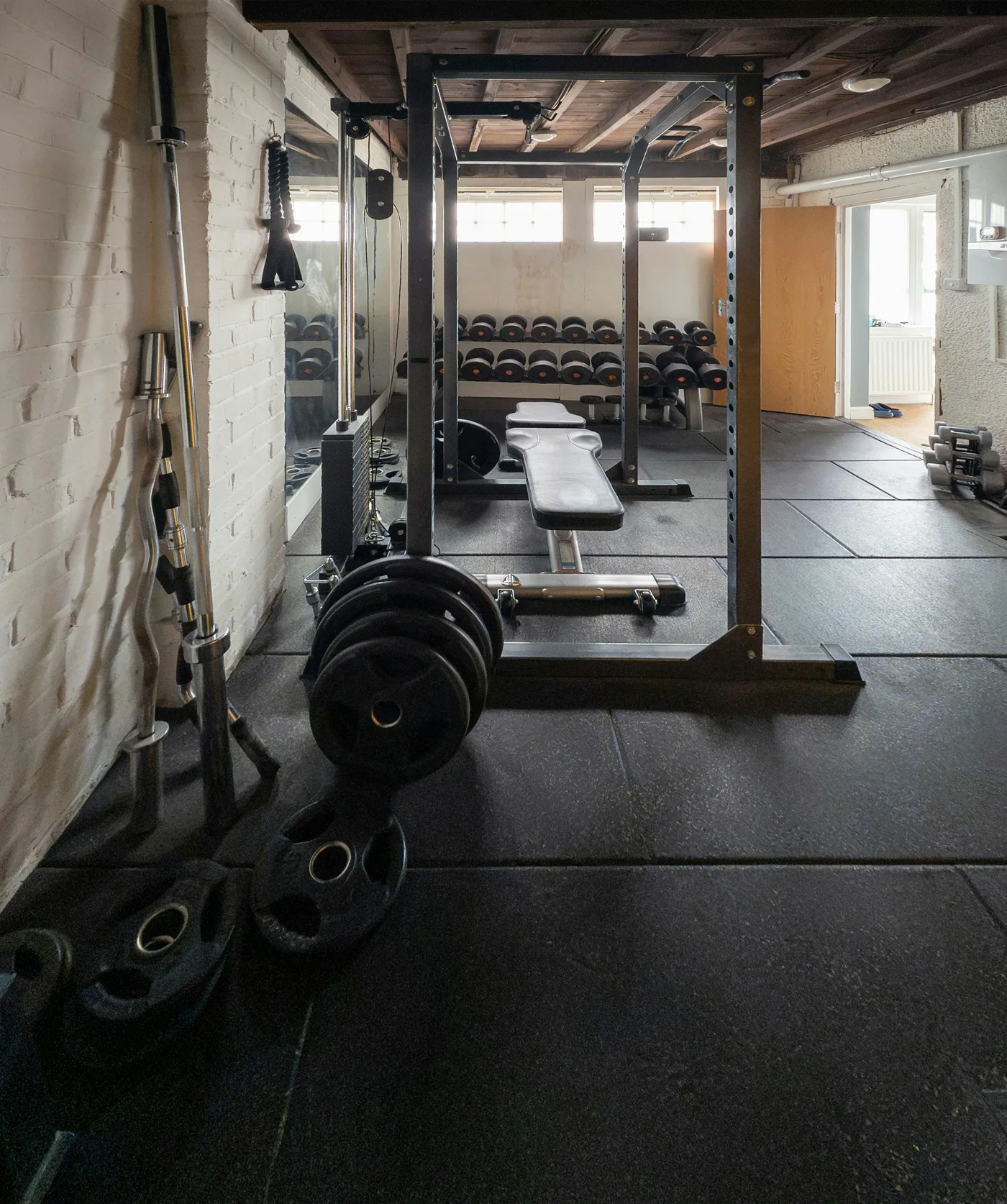
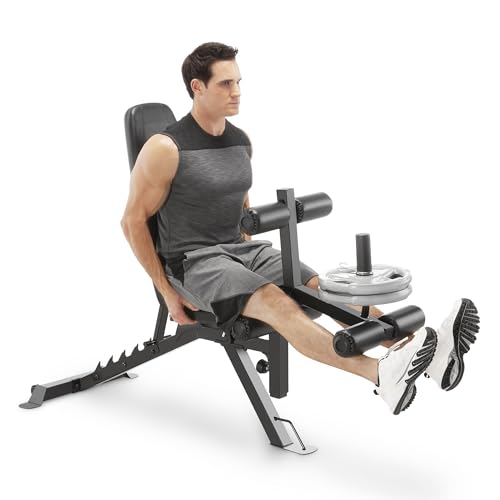
Home gym equipment includes free weights, racks, benches, cable stations, cardio machines and smaller training tools. The useful starting point is the exercise you want to do, the load or adjustment range it needs, and the space you can keep available. A room full of equipment is not automatically a complete setup: a bench needs a place to use it, plates must fit the bar, and a folded treadmill still needs an operating area.
Choose one training priority first. For general strength work, compare a manageable set of weights, suitable floor space and a bench if your exercises require one. For barbell training, assess the rack, safeties, bar and plates as a system. For cardio, choose the movement you want to repeat, then check the exact machine’s fit and ownership requirements. Use this table to narrow the next decision.
Measure three spaces, not one.
Record where the equipment will sit, where your body and moving parts will travel, and how the equipment will get into the room. These measurements solve different problems. A rack can fit against a wall while leaving too little room to slide plates onto a bar. A rower can stand upright for storage while exceeding the available length when lowered. A treadmill can fit through a doorway on paper but need a different delivery route in its packaging.
The room planner lets you enter equipment rectangles and a separate clearance for each side. Its drawing helps identify conflicts; it does not determine a building’s floor capacity, electrical suitability or approved installation. Check those requirements for the room and exact model before committing to heavy or permanently mounted equipment.
Compare a complete purchase.
Read the unit of sale. A dumbbell listing may be one handle or a pair; a plate listing may be one disc, a pair or a set. Then check what makes the item usable: collars, compatible plates, an approved anchor, a stand, assembly or a subscription may be separate. Add tax, delivery and room preparation to your own estimate in the setup budget builder. Leave a cost unknown until you have an estimate; an unpriced item is not free.
Start with the equipment needed for your planned sessions and add another purchase when it solves a specific limit: a weight jump that is too large, a shared station that causes waiting, or storage that leaves gear in a walkway. This gives every addition a purpose and makes it easier to compare competing uses of the same space.
Questions to settle before ordering
What home gym equipment should I buy first?+
Write down the sessions you want to perform, then identify the smallest equipment set that supports them. A free-weight session, a barbell session and an indoor-walking session need different starting purchases. Check the room and required accessories before selecting a model; there is no universal first machine.
How much space do I need for a home gym?+
There is no single useful minimum for every setup. Add the exact equipment footprint, manufacturer-required clearance and space for your movements, loading, entry and storage. Check ceiling height and the delivery route separately. Use model-specific dimensions rather than assuming that an advertised compact machine fits your room.
Is an all-in-one home gym better than separate equipment?+
An integrated machine can combine stations and reduce equipment changes, but it can also tie several exercises to one adjustment range and one available station. Separate pieces allow more selective upgrades and sometimes simultaneous use. Compare the exercises, fit, cable travel, package contents and usable floor area you actually need.
Can I build a home gym in an apartment?+
A removable setup may be practical if it fits your lease, room, permitted mounting methods and neighbors’ noise constraints. Mats do not guarantee sound isolation or establish floor load capacity. Start with manageable equipment you can place down deliberately and store securely; confirm building-specific restrictions before ordering heavy or anchored equipment.
Our guides identify their manufacturer sources and buying assumptions. Product photographs and Amazon destinations match the listed catalog record; selections are research-based and do not imply hands-on testing. Read how we research equipment.